Maximise efficiency. Increase comfort. Follow your own system's settings and instructions agreed at handover.
By Kirk Ferguson, Director and Lead EngineerPublished 3 minute read
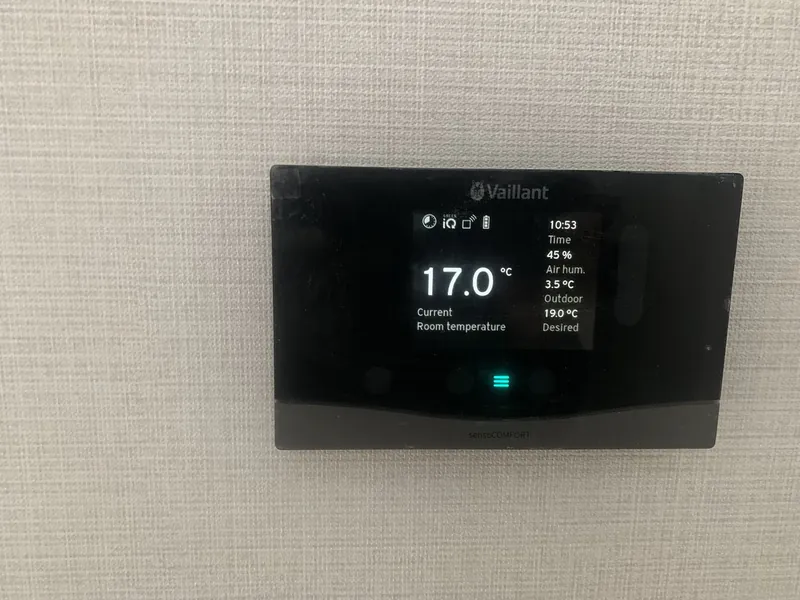
A Vaillant sensoCOMFORT control, from one of our installs
Our homeowner system guide, from our handover pack. Follow your own system's settings and instructions agreed at handover.
The 10 commandments
Heat gently and steadily
Follow the agreed schedule. Longer, gentler heating periods usually suit heat pumps better than short bursts. The compressor need not run continuously.
Avoid big temperature drops
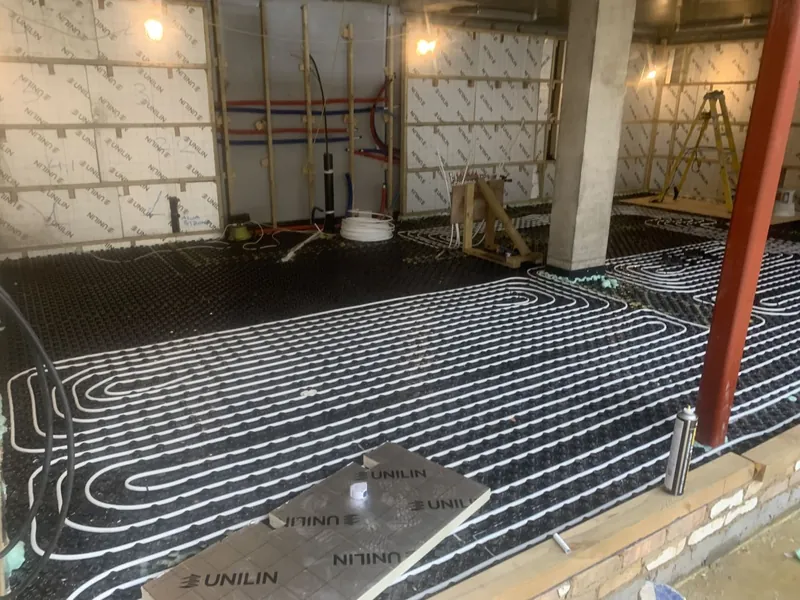
Use the agreed setback rather than letting the home become cold. Large drops can mean a slow recovery, especially with underfloor heating.
Adjust a little, then wait
Choose a comfortable temperature and allow the home time to respond. Avoid repeatedly turning the thermostat up and down.
Let weather compensation work
Where enabled, it adjusts heating water temperature with the weather. Ask us before changing the heating curve or installer settings.
Judge the room, not the radiator
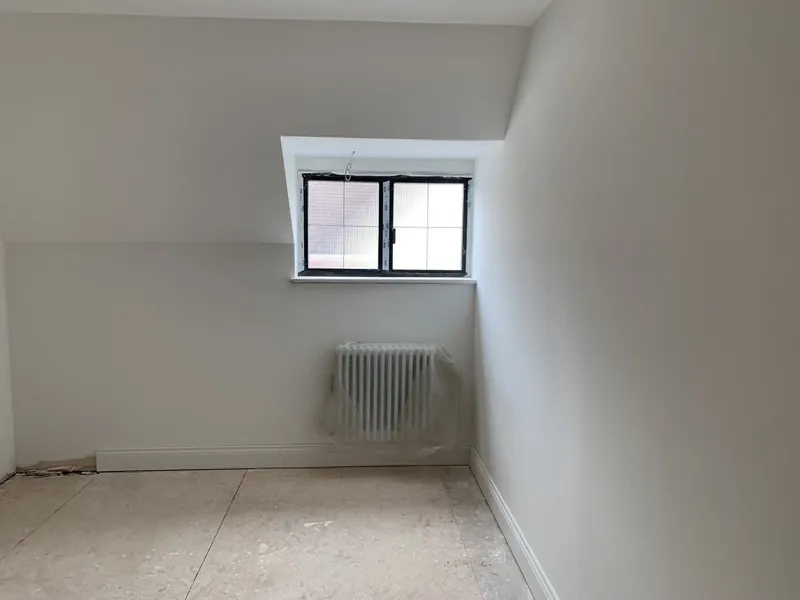
Radiators may feel gently warm rather than piping hot. If the rooms are comfortable, that can be normal, efficient operation.
Keep the water flowing
Leave radiator valves, manifold flows and balancing settings as demonstrated. Use bedroom temperature limiters only as agreed.
Use your hot-water programme
Follow the agreed cylinder settings and schedule. Avoid unnecessary boosts and leave the agreed hot-water hygiene programme in place.
Leave power on and airflow clear
During normal operation, use the controls rather than the electrical isolator. Keep the outdoor unit and its airflow clear.
Know normal winter behaviour
Brief defrost cycles, water beneath the outdoor unit and clouds of water vapour can be normal. Report persistent ice or repeated faults.
Care for your system
Check pressure against your handover record. Report repeated pressure loss or poor comfort. Arrange servicing to the manufacturer's requirements. Heat pump servicing.
Why understanding the building matters before sizing a heating system. We calculate for the building as it exists today, not the building it was thirty years ago.
Are we paying enough attention to the building before deciding how much heating it needs? Understand the building first. Design the heating system second.
Every building has its own thermal fingerprint. Good engineering means calculating carefully, selecting appropriately, then measuring and refining for real-world comfort.
Read the article
Contact
Questions about your heat pump?
Send a few details and we'll get back to you to talk it through.